As the Solomon Islands Threshold Program (SITHP) moves into its final phase, how can program reforms, investments and partnerships continue delivering benefits beyond 2027?
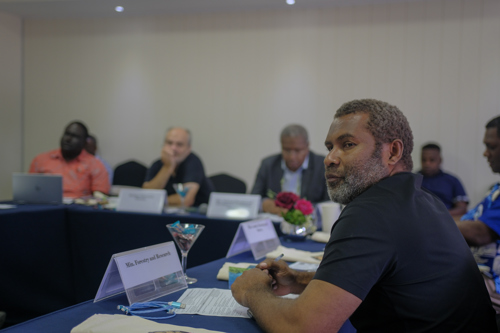
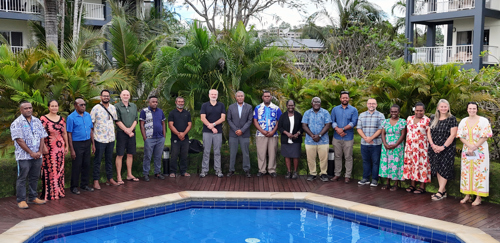
This was one of the key topics discusses at this week’s SITHP Advisory Council meeting in Honiara, where senior representatives from the Solomon Islands Government, U.S. Government and program partners came together to review progress, discuss government priorities, and help shape the program’s remaining implementation period.
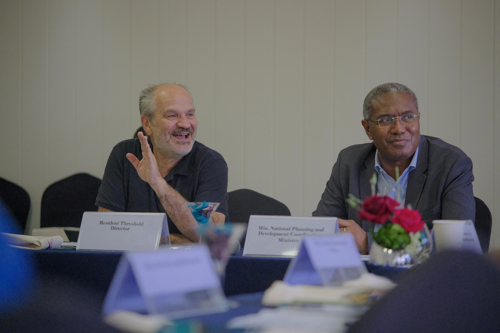
Held at Heritage Park Hotel, the meeting was opened by Minister for National Planning and Development Coordination, Hon. Peter Kenilorea, alongside Millennium Challenge Corporation (MCC) Resident Threshold Director, Mr. Charles Jakosa.
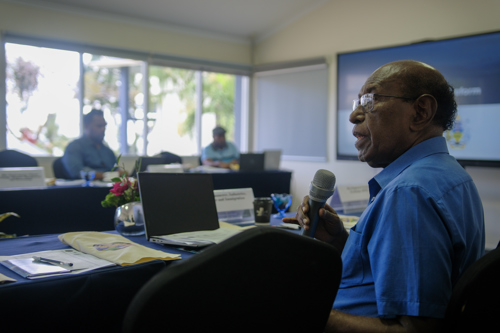
Discussions highlighted the strong alignment between SITHP and the Solomon Islands Government’s GREAT Coalition Policy, including shared priorities to strengthen government systems, and to enhance the enabling environment for private sector investment into tourism. Further crossover included a shared commitment to increasing economic opportunities for communities, and in safely and efficiently managing the country’s natural resources.
Through the Accessing Land for Tourism Investment Facilitation (ALTIF) Project, SITHP is supporting reforms to make tourism investment more efficient. This includes improving processes for accessing registered land, supporting land titling outreach, strengthening coordination between government agencies, and developing clearer processes for development over seawater.
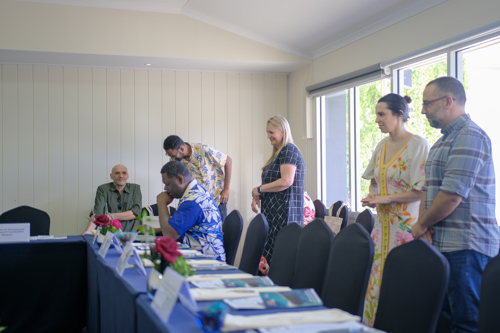
The Advisory Council also discussed progress towards establishing a Tourism Investment Coordination Committee, which will bring together government ministries to improve coordination and decision-making around tourism investment. Work is also progressing at Nafinua Island to pilot a community preparedness model for social licensing, helping to strengthen trust and establish clearer expectations between communities, landowners, and tourism investors.
Through the Forest Value Enhancement Project (FoVEP), discussions focused on opportunities to generate greater economic value from Solomon Islands’ forests while also fostering greater forest stewardship. Carbon trading schemes and stronger landowner participation and benefit sharing were discussed as ways to improve coordination around protected areas and other forest uses.
Several of these keystone initiatives include Viru Harbor in Western Province, Yato in Makira – which was recently announced the largest protected area in Solomon Islands – and two further sites in Isabel and Malaita. Together, these initiatives are exploring how forest conservation and efficient carbon markets can create alternative income sources for communities while also protecting forest ecosystems.
“Today’s discussions reinforced the importance of maintaining momentum during the Program’s remaining implementation period,” said MCC Resident Threshold Director, Mr. Charles Jakosa. “At the same time, we must ensure the reforms, partnerships and investments being supported through SITHP can continue delivering benefits well beyond the program lifecycle.”
As SITHP approaches its final phase, Advisory Council members also discussed the importance of institutional ownership of program outcomes, future investment opportunities, and legacy planning beyond 2027.
This work, funded by the American people through the Millennium Challenge Corporation, reflects the U.S. Government’s commitment to working in partnership with the Solomon Islands Government to strengthen institutions, unlock long-term economic growth, and create lasting opportunities for Solomon Islanders.
--
Photos: Roger Dakamae


